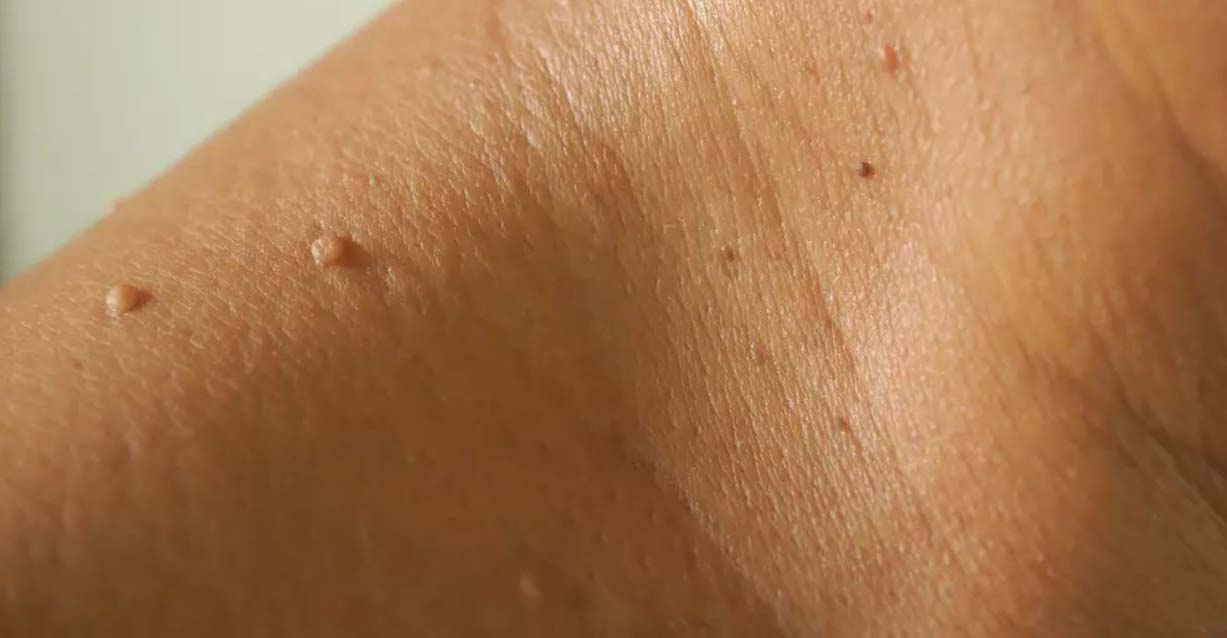
10 Things To Learn About Skin Tags Affiliated Dermatology
Skin Tags Causes And Therapy
" Greater levels of growth factors (like during pregnancy), insulin resistance (even more typical in individuals with diabetes,) and genetics can all figure in also." Additionally, if you have underlying problems such as diabetes mellitus or problems regarding insulin resistance, discussing new skin tags with your doctor may be handy. Below is a medically grounded, easy-to-understand guide to skin tags, consisting of reasons, treatment options, and when to talk with a doctor.The clinician ought to likewise check body mass index with time, as weight gain and main excessive weight are both risk aspects for skin tags and metabolic derangements. Skin flexibility-- the ability of skin to stretch and go back to its original form-- decreases normally with age and direct exposure to aspects like UV light. At Wendell Household Medication, our clinicians see how these modifications add to skin tag formation. When skin loses elasticity, it comes to be more susceptible to subtle splits and micro‑stress in locations of repeated movement or friction. Gradually, this can encourage tiny flaps of skin to stick out and develop skin tags. Reduced elasticity makes it simpler for tiny sections of skin to "bunch up" and remain raised instead of breaking back into place smoothly.
Aesthetic Dermatology
- Over time, this can urge small flaps of skin to extend and develop skin tags.
- Lentigines frequently show up on parts of the body that obtain one of the most sunlight, including the face and hands.
- Some lentigines may be brought on by genes (family background) or by clinical procedures such as radiation treatment.
- A mole or freckle should be inspected if it has a diameter of greater than a pencil eraser or any type of characteristics of the ABCDEs of cancer malignancy (see over).
Insulin Resistance And Metabolic Factors
This effect is often most visible in regions where skin massages with each other-- such as the neck, underarms, groin, and under the breasts-- creating optimal conditions for skin tags to show up. While adjustments in elasticity are an all-natural component of aging, the existence of friction, weight changes, and hormone shifts can intensify their impact. Skin tags might additionally develop simply because of friction and irritability in skin folds. Skin tags are a common skin condition, influencing almost 46% of the population eventually in their lives. These small, benign growths are located on various components of the body, specifically in areas where skin scrubs with each other, such as the neck, underarms, and groin. Regardless of their regularity, many individuals may not discover them unless they become inflamed or lie in a highly noticeable area.© 2026 Duncan Dermatology
Skin tags are tiny, measuring 1 to 5 mm, and rarely grow to 1 to 2 cm. Acrochordons are neither uncomfortable neither tender but can be troublesome. People typically report that skin tags capture on apparel or fashion jewelry, such as lockets. Occasionally, the consistent friction between the garments and the skin tag can trigger bleeding or irritation. Skin tags are small, soft, benign growths that usually create where skin scrubs versus skin or clothing.
Before choosing a therapy technique, it is essential to consult with a qualified skin specialist to guarantee the skin tag is benign and to pick the most appropriate removal method. While some approaches can be performed in your home, expert therapies are generally much safer and a lot more efficient. Skin tags, or acrochordons, are soft, flesh-colored growths that hang off the skin by a slim stalk. While they can be found anywhere on the body, they commonly develop in locations where skin consistently scrubs against skin or garments, such as the neck, armpits, groin, and often the eyelids. Health care medical professionals need to be aware that, although skin tags have no deadly potential, they ought to refer the individual to a dermatologist if they have any worries.